
The essentialsof an SEO-readywebsite
Search engines do not browse your site the way a person does; they read its code. An SEO-ready site starts with that code being clear and orderly.
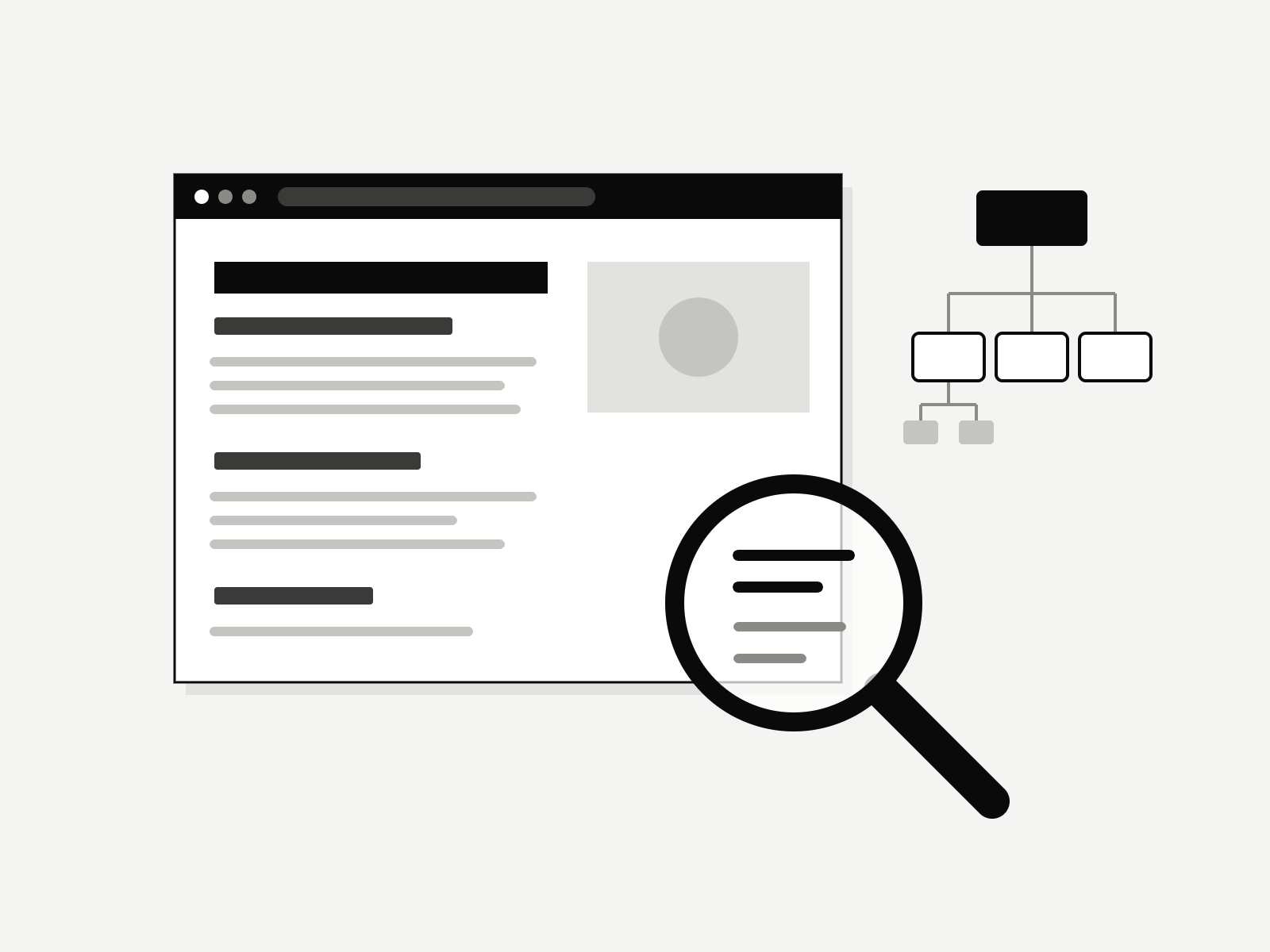
SEO is often treated as something to think about after launch: build the site first, then "do the SEO". In reality, the foundations of an SEO-friendly website are laid during design and development. Fixing a site with a broken page structure, slow load times or headings scattered at random is far more work than building it right from the start. Here are the essential steps that make a website visible in search.
A unique title and description for every page
The blue headline in search results comes from the page's title tag, and the short text beneath it often comes from the meta description. Every page needs its own title and description that accurately describe its content. If every page says "Home" or just the company name, search engines learn nothing about what each page covers. Putting the main keyword near the start of the title, and using the description to say plainly why someone should click, is a good start.
A logical heading hierarchy
Headings are the map of a page's content. Each page should have a single H1 stating its main topic, with sections under H2 and details beneath them under H3. Using heading tags just to make text bigger makes it harder for both search engines and screen-reader users to understand the content.
Clean structure and readable URLs
In a good site structure, every page is a few steps from the home page and pages are linked through meaningful internal links. URLs should describe the content too: an address like /services/photography/ is clearer to people and search engines alike than a string of numbers and symbols. Multilingual sites need a separate URL for each language, with the languages correctly linked to one another (hreflang).
Images are part of this structure too. Every image should have alternative text (alt) that briefly describes it; that text tells screen-reader users, and search engines in image search, what they are looking at. File names that describe the product or subject instead of "IMG_4521.jpg" are a small but effective step. Duplicate content belongs here as well: repeating the same text across several pages makes it harder for search engines to decide which page to show.
Speed and mobile experience
Google largely evaluates sites by their mobile version and takes page-experience signals (Core Web Vitals) into account. Heavy images, unnecessary plugins and poorly ordered code slow a page down. Serving images at the right size in modern formats, loading only the code that is needed and choosing good hosting make a difference for visitors and search engines alike.
Sitemap, robots.txt and Search Console
An XML sitemap (sitemap.xml) presents the list of your pages to search engines, while robots.txt tells them which areas not to crawl. When the site goes live, it should be added to Google Search Console and the sitemap submitted there. Search Console is a free tool that shows which pages are indexed, which searches you appear in and any technical errors. It is the most reliable way to track SEO results.
Structured data and new search habits
Structured data (schema.org) labels the information on a page in a language machines understand: this is a business, this is a product, this is an article, this is a frequently asked question. It helps search engines interpret content more accurately and paves the way for rich results in some cases.
This kind of order matters not only for Google but also for AI platforms such as ChatGPT, Gemini, Claude or Perplexity. People now research services and products by asking these platforms, and the platforms build their answers from clear, well-organised and trustworthy sources. Clear titles, well-structured content and correctly marked-up information also support your site's chances of appearing in those answers.
In short
An SEO-ready website starts with unique titles and descriptions, a sound heading hierarchy, clean structure, fast and mobile-friendly pages, a sitemap, structured data and Search Console. Good content only shows its full strength on that foundation. At Serezart Creative Studio, we have been building corporate websites and online stores for more than 20 years, and we factor in this groundwork from the very start of a project. Learn more about our web design service, or use our quote form to talk about your site.
About SEO.
Will an SEO-ready site rank first straight away?
Can I make my existing site SEO-friendly?
Who should set up Search Console?
More articles
 Web
How to choose an e-commerce platform
WooCommerce, Shopify or a custom build? The right e-commerce platform follows from what your store needs today and tomorrow.
 Web
The pages every corporate website needs
Every page answers one of the visitor's questions. The pages a corporate website needs, and what belongs on each of them.
 AI
Building a website with AI a fast start, hidden costs
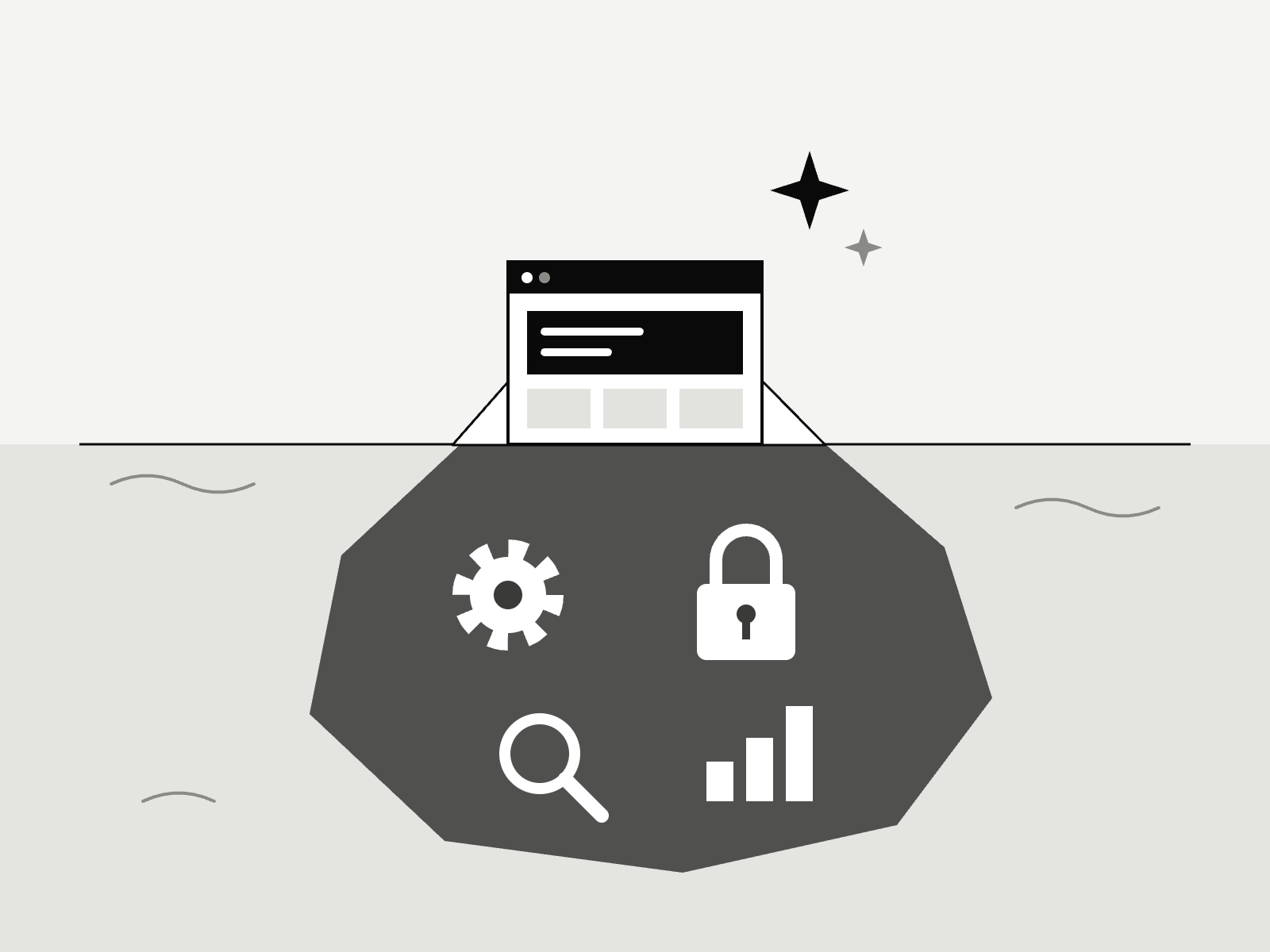
You can launch a site in minutes. It pays to know the costs that surface later in security, speed, SEO and maintenance.