
The pagesevery corporatewebsite needs
Visitors arrive with a handful of questions: What do you do? Who are you? Who have you worked with? How do I reach you? Each page answers one of them.
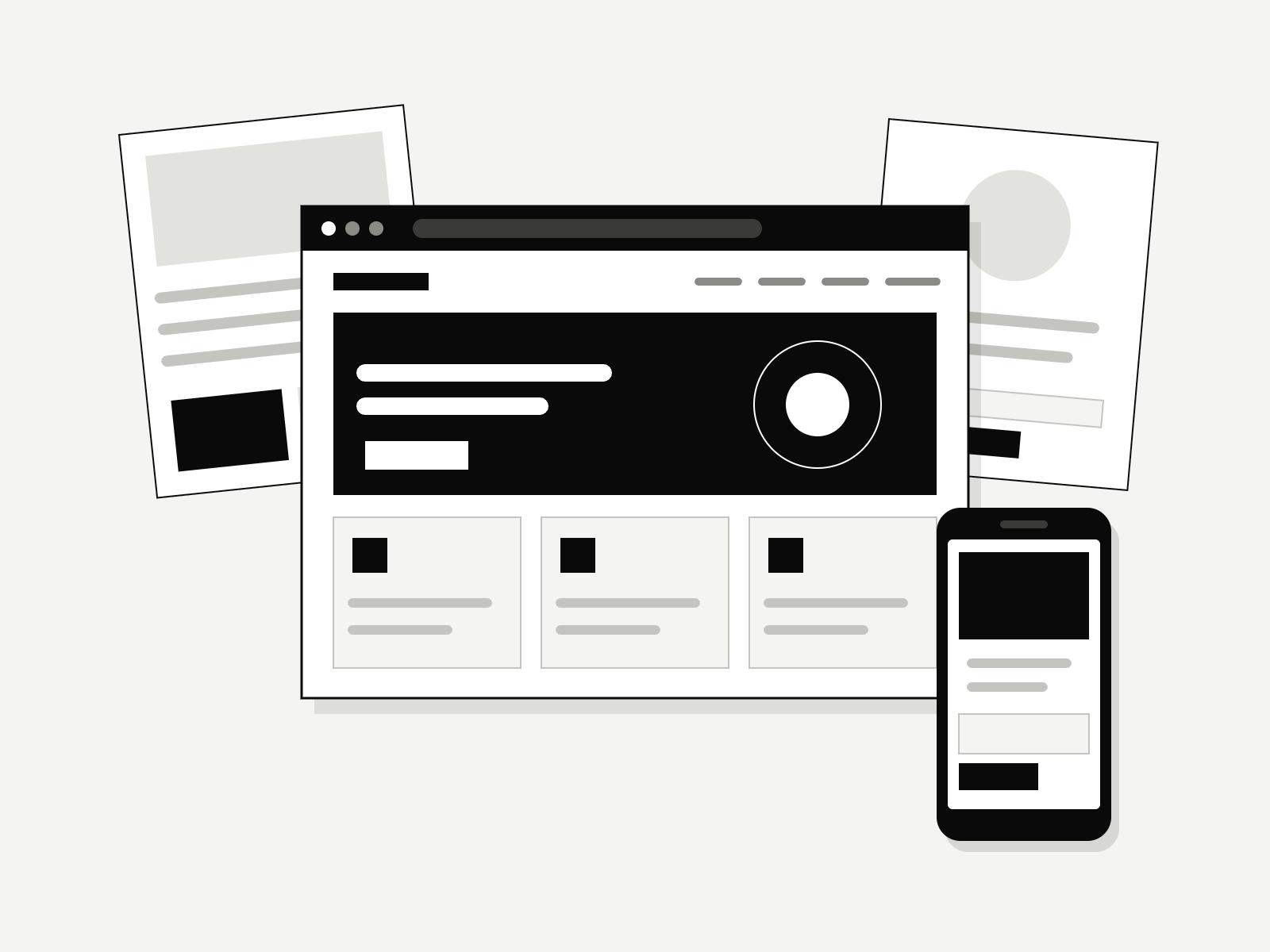
The most common mistake when planning corporate website pages is copying a competitor's menu as is. A page list isn't a habit, though; it's the visitor's journey. Someone hearing about you for the first time, someone about to request a quote and someone checking your references after a meeting all look at different pages. The pages below belong on almost every corporate site; what goes into them should be shaped by your business.
Homepage: who you are, in seconds
The homepage is a summary and a crossroads. The first screen should make clear, in one plain sentence, what you do and for whom; slogans like "building the future together" that fit any company won't do it. Then come your core services, selected work, a few points that set you apart and a clear route to getting in touch. The homepage doesn't try to say everything; it sends visitors to the right page.
Services or products: one page each
Squeezing every service onto one long page is hard on readers and on search engines alike. When each service has its own page, people searching for it land right there. A good service page explains what the service is, who it helps, how the process works, what examples exist, which questions come up most and what the next step is. For companies selling products, this becomes category and product pages, where technical data, dimensions and good photography make the difference.
About: where trust is built
The About page gets read, especially before someone commits to a big project. People aren't looking for a timeline of founding dates but for a story and hard facts: how long you've been doing this, how you work, who's on the team, where you're based. Real photos of the team and the workplace inspire far more trust than stock images.
References and projects: proof of what you say
Everything you claim on your service pages is proven here. Rather than just a wall of logos, short stories of selected projects are more persuasive: what did the client need, what was done, what does the result look like? Awards, certifications and client testimonials you have permission to use can go here or on a page of their own.
Contact: the shortest path
The contact page should be simple and complete: phone, email, address and map, opening hours and a short form. Someone requesting a quote needs something different from someone after general information, which is why a subject field helps. On mobile, a phone number that dials directly and an address that opens in a maps app are small but valuable touches.
Legal pages: required, and reassuring
Any site that collects personal data needs a privacy notice under the data protection law that applies to it, such as KVKK in Turkey or the GDPR in Europe, plus a cookie policy if cookies are used. Online shops add terms of sale, pre-contract information and return conditions. These pages are often left until last, yet forms and the cookie banner have to match what they say. For the legal wording itself, it's wise to involve a lawyer.
Supporting pages
- FAQ: gathers the questions you keep answering on the phone. Since people now also research by asking ChatGPT, Gemini or Perplexity, clear answers help you get mentioned in AI responses too.
- Blog or news: shows your expertise and keeps the site current.
- Careers: for companies that are growing their team.
- 404 page: guides visitors who hit a broken link back to the main sections instead of losing them.
In short
Corporate website pages are built around a homepage, separate service pages, an About page, references, contact and legal pages, with the rest added to suit your business. AI tools can sketch a site skeleton in minutes, but deciding what each page should say and how visitors should move through them takes experience. At Serezart Creative Studio we've been building corporate websites in Istanbul for more than 20 years. We aren't tied to one platform but choose the system that best fits the job, train you to use it at no cost and provide technical support for the first year. Learn more about our website services, or tell us about your project through our quote form.
About corporate websites.
Is a one-page site enough?
Who should write the website copy?
Should the site be multilingual?
More articles
 Web
The essentials of an SEO-ready website
From titles to sitemaps, from speed to structured data: the groundwork that helps search engines understand your site properly.
 Web
How to choose an e-commerce platform
WooCommerce, Shopify or a custom build? The right e-commerce platform follows from what your store needs today and tomorrow.
 AI
Building a website with AI a fast start, hidden costs
You can launch a site in minutes. It pays to know the costs that surface later in security, speed, SEO and maintenance.