
Light in food photography:natural or studio?
The same dish looks tired and greasy in the wrong light, fresh and appetising in the right one. How the light is handled matters more than where it comes from.
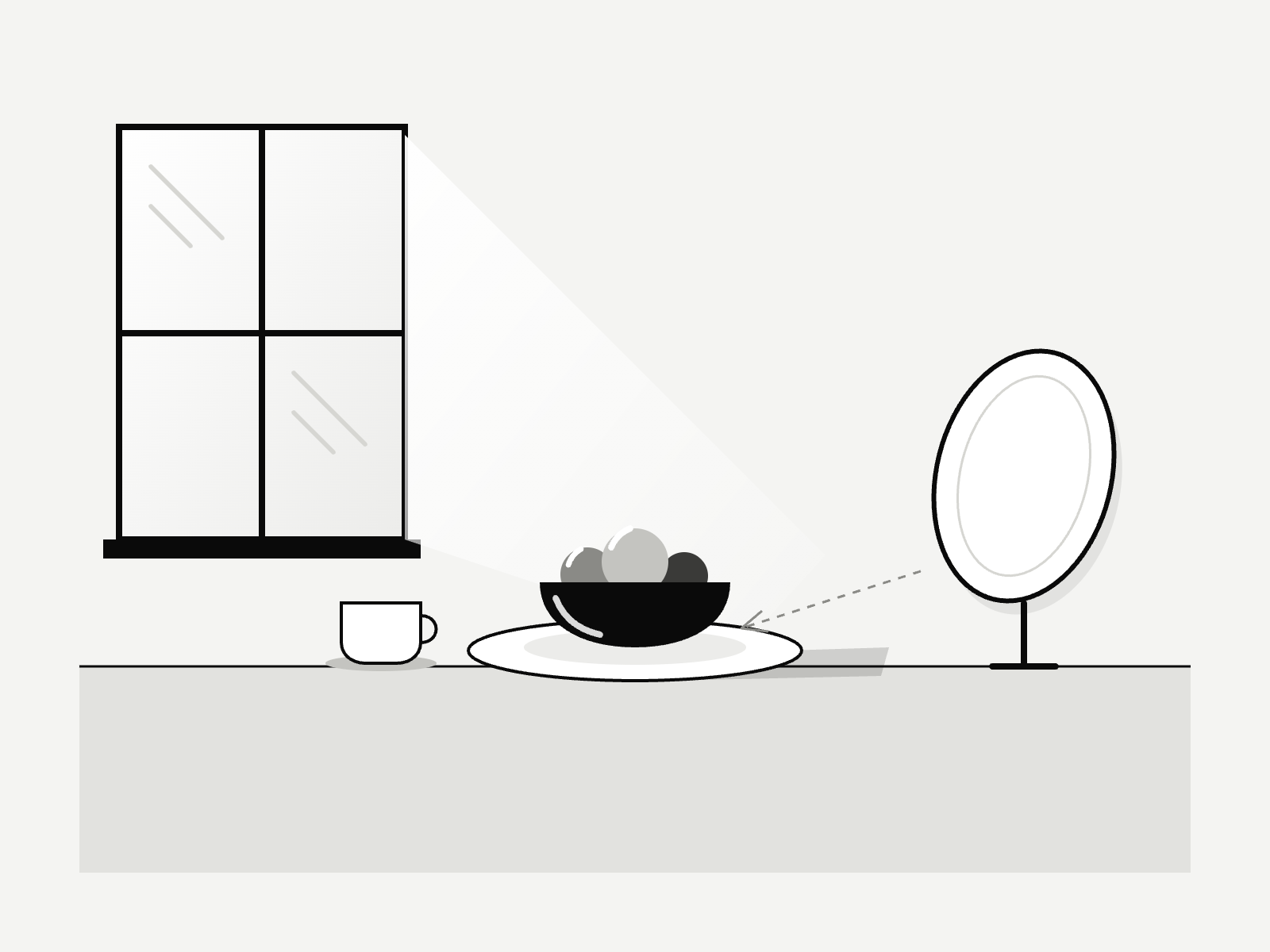
Light in food photography is what conveys a dish's texture, warmth and freshness. The sheen on a soup, the sense of a crisp crust, the life in a salad's leaves all come from the angle at which light falls. That's why the question restaurant owners ask most is about light: "Can't we just shoot by the window?" The answer depends on what you want and how many dishes you need to shoot.
Direction shapes a dish's character
With food, the direction of light matters more than its source. Light from the front kills shadows, flattens the plate and creates distracting reflections. Side light reveals texture: the rough surface of a meatball, the grains of rice, the layers of pastry become readable. Light from behind and slightly to the side adds gloss to sauces, soups and drinks, makes steam visible and brings liquids to life. That's why most food shoots start with a large, soft light from the side or behind; a white reflector opposite opens up the shadows without killing them.
Colour temperature: appetite starts with colour
The colour of light changes the colour of food. Light that's too blue makes food look cold and stale; light that's too orange drowns everything in the same yellow, muddies the greens and turns white plates creamy. The most common problem is mixed light: when daylight from a window meets warm ceiling lamps in the same frame, one side of the plate turns blue and the other orange, and even retouching can't fully fix it. A good shoot picks one light colour and switches off or blocks the rest.
Natural light: strengths and weaknesses
Indirect daylight from a large north-facing window is the classic food photography light: soft, with gentle shadows and an intimate feel. For a social media shoot of a few dishes, it can be perfect. But natural light never stops changing. A passing cloud dims it, the afternoon warms it, and by evening it's gone. Put a breakfast plate shot in the morning next to a dessert shot in the afternoon on the same menu, and the difference is obvious.
The real strength of studio light: repeatability
Studio light can be set up to imitate daylight: a large softbox behaves like a well-placed window. The difference is that it stays the same whatever the time. The first dish and the thirtieth get light from the same direction, at the same intensity and colour. On a menu with dozens of items, that consistency is worth more than individually beautiful frames; guests browsing the menu see a whole, not a photo album. In the studio, light can also be fine-tuned for each dish: a touch more backlight for the soup, a little more side light for the grill.
Which should you choose?
- A few dishes, mood first: natural light with a good window and the right time of day may be enough.
- A full menu, catalogue or QR menu: studio light is the safer route to consistency.
- When the venue itself is part of the story: venue shots are taken on location and the dishes under controlled light, then brought together with the same colour approach.
Generating food images with AI
AI tools can now produce eye-catching food images. But the dish that arrives at your guest's table isn't that image; it's the plate that leaves your kitchen. A gap between photo and reality means disappointment and lost trust. AI genuinely saves time in retouching, colour matching and menu copy; the dish itself should be shown in a real photograph. That's also why Menujoo, the QR menu platform developed by Serezart, doesn't use AI-generated food images: guests see the real photo of the dish you prepare.
In short
Natural light gives beautiful, intimate results for a few dishes; across a whole menu, direction, colour temperature and consistency are far easier to achieve with studio light. At Serezart Creative Studio we've spent more than 20 years photographing dishes for restaurants and food brands in our Istanbul studio, with the same approach to light and styling. Learn more about our food photography; we also deliver the images sized for your Menujoo QR menu.
About light in food photography.
Can we shoot in the restaurant's own lighting?
Does flash make food look artificial?
Why should every dish on the menu look consistent?
More articles
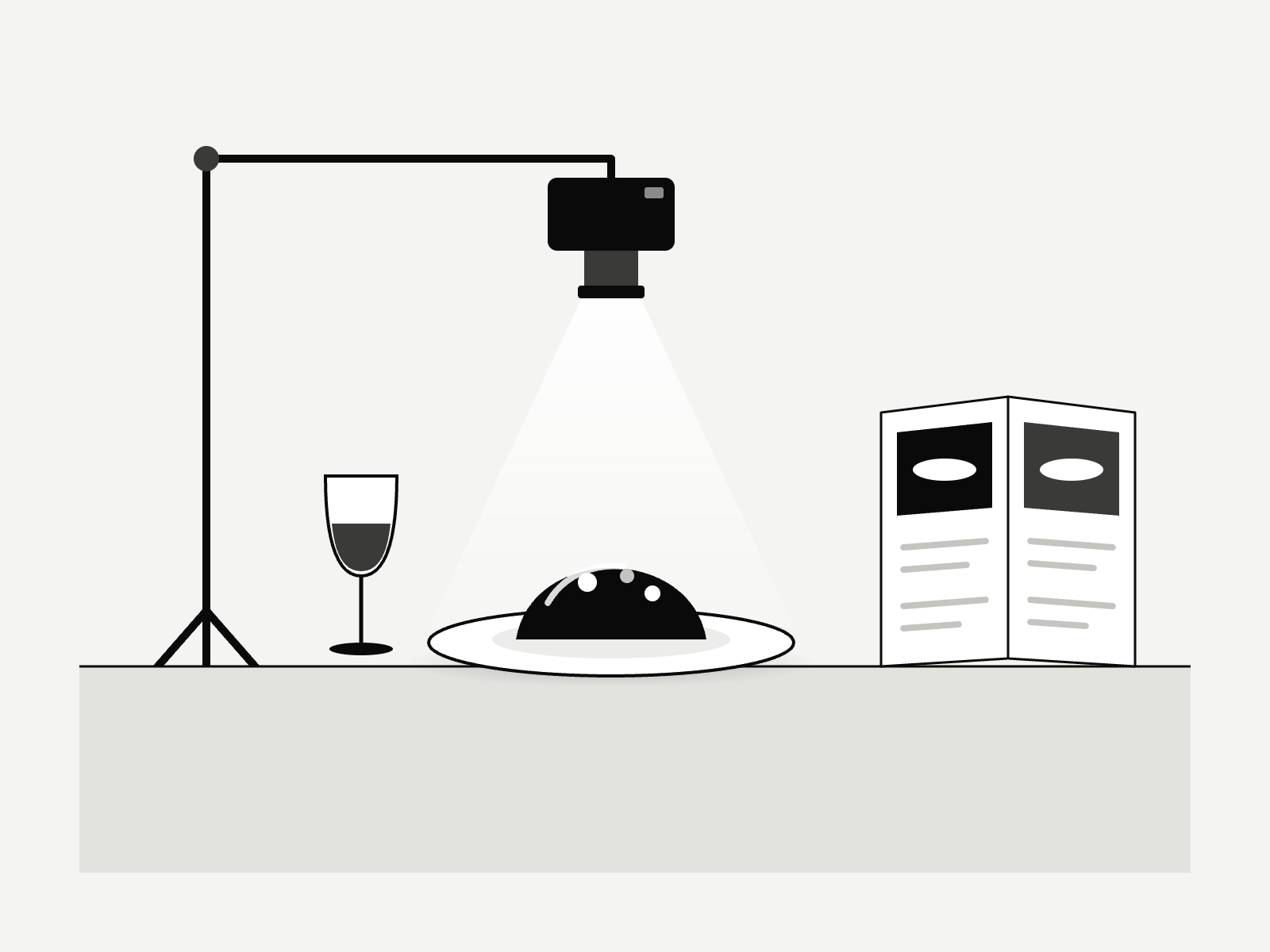 Food photography
 for restaurant menus
Appetising shots from printed menus to QR menus: shot list, timing, consistent light and framing for the menu layout.
 AI
Building a website with AI a fast start, hidden costs
You can launch a site in minutes. It pays to know the costs that surface later in security, speed, SEO and maintenance.
 Web
The essentials of an SEO-ready website
From titles to sitemaps, from speed to structured data: the groundwork that helps search engines understand your site properly.