
Is everyone a designerin the age of AI?
Type a sentence and you get a logo, a poster or a product shot in seconds. The real question is whether the result can carry a brand.
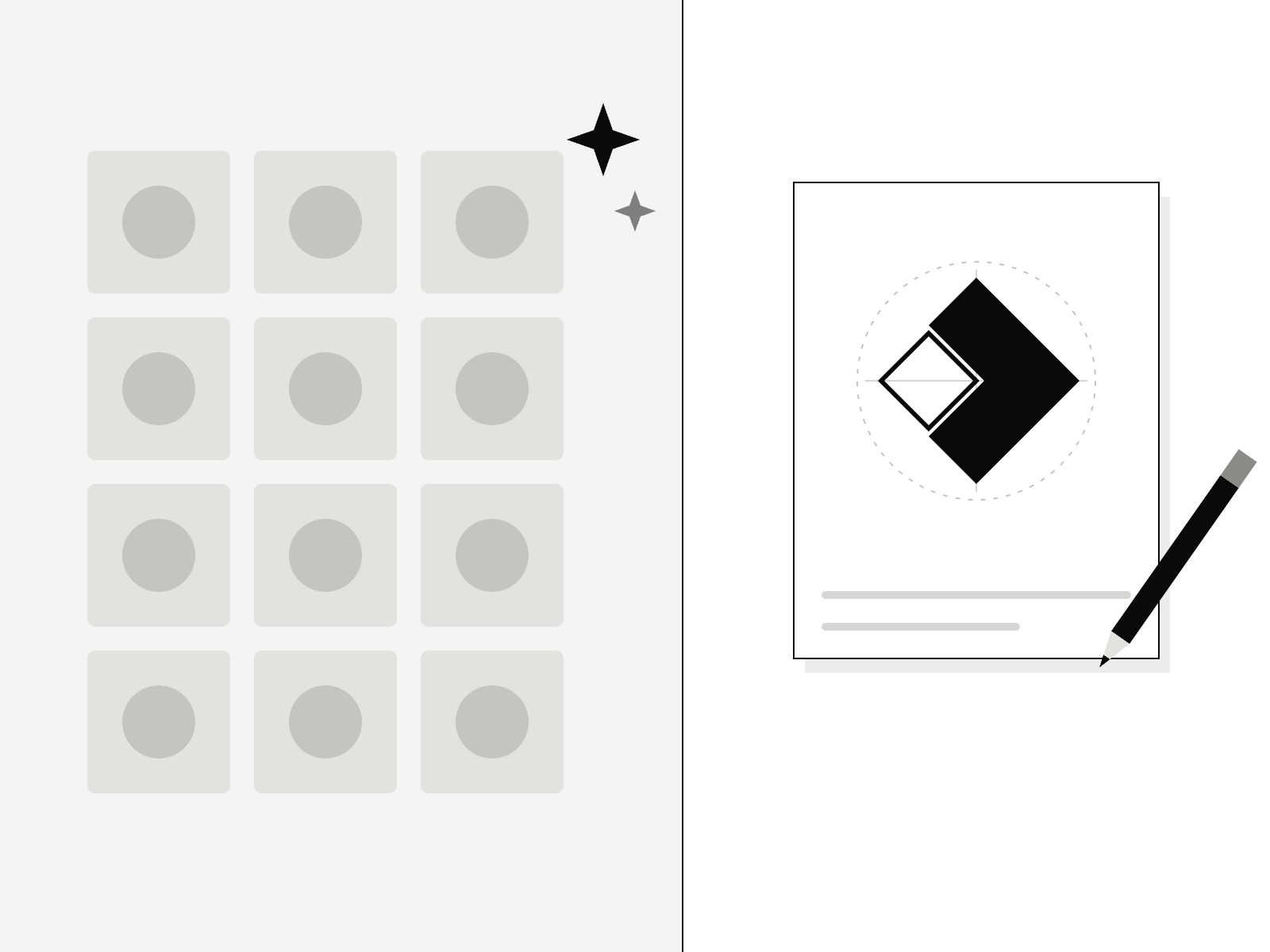
AI design tools have put work that once required years of training within everyone's reach. You can ask ChatGPT for a logo idea, have Gemini sketch a campaign visual, and after a few attempts end up with something that looks pleasant. That is a genuine leap, and nothing to sneer at. But "anyone can make an image" and "anyone is a designer" are not the same sentence. The gap between them is the gap between a picture that looks nice and a picture that actually works for a brand.
Why does everything start to look the same?
AI models learn from the average of millions of examples. Give the same tool a similar prompt and you get similar answers: the same soft gradients, the same glossy light, the same "clean, modern, minimal" logo. Each one looks fine on its own. Put a dozen side by side and you can no longer tell whose is whose. When a whole industry takes the same shortcut, its visual language turns generic fast, and being generic is one of the most expensive problems a brand can have. A brand nobody notices is a brand nobody remembers.
Designers produce decisions, not just images
A designer's real work begins before anything appears on screen. Who is the brand talking to? What do competitors look like? Where will this business be in five years? How will the logo behave on a business card, on a shop sign, as an app icon? The answers decide the colour, the typeface and the form. AI gives you options; it can't tell you which one is right, because it doesn't know your business, your customers or your goals. What a designer delivers is the sum of those decisions.
Where a professional designer makes the difference
- Strategy: design serves a goal. A homepage, a trade show stand and a package are each built to prompt a different decision at a different moment.
- Originality: moving away from the average takes deliberate effort. An idea rooted in the brand's story, the product itself or a gap in the market stands out from a thousand results built on the same prompt.
- Consistency: a logo never lives alone. Carrying one visual language from business cards to the website, from social media to packaging, needs a system. Images generated from scratch each time can't build one.
- Brand knowledge and craft: colours that shift in print, details that vanish at small sizes, a logo that isn't vector, an image with unclear usage rights. None of this shows at first glance; all of it surfaces on the brand's first big job.
AI design gets faster in professional hands
None of this means you should ignore AI. Used well, it speeds up exploration, multiplies alternatives, trims repetitive tasks and raises quality. The difference lies in who is steering. Someone who understands design judges an AI result by knowing why it works or doesn't, then corrects it and translates it into the brand's language. Someone who doesn't simply takes the first result they like. That is why two people using the same tool can end up worlds apart. The same holds for websites and software: AI makes writing code easier, but building a site that is fast, secure and easy to maintain still takes experience.
What awards actually show
In 2021, our work with meleklerinpayi.store took first place in the Retail and Store category at the Golden Spider awards (Altın Örümcek). We mention it as an example rather than a boast: juries don't reward a pretty screenshot, they reward a whole structure in which brand, product and user were thought through together. Whatever the tools, that kind of coherence comes from a team making decisions.
In short
In the age of AI, anyone can produce images; good design is still a craft that takes strategy, originality and consistency. At Serezart Creative Studio we have been designing for brands in Istanbul for more than 20 years, and we use AI as one of our tools, while the decisions stay with our team. For logos and corporate identity, see our design services; for a platform that carries your brand online, our website services. You'll find all our services in one place, and our award-winning work on the awards page.
About AI and design.
Can I use a logo made with AI?
Do design agencies use AI?
Will AI replace designers?
More articles
 AI
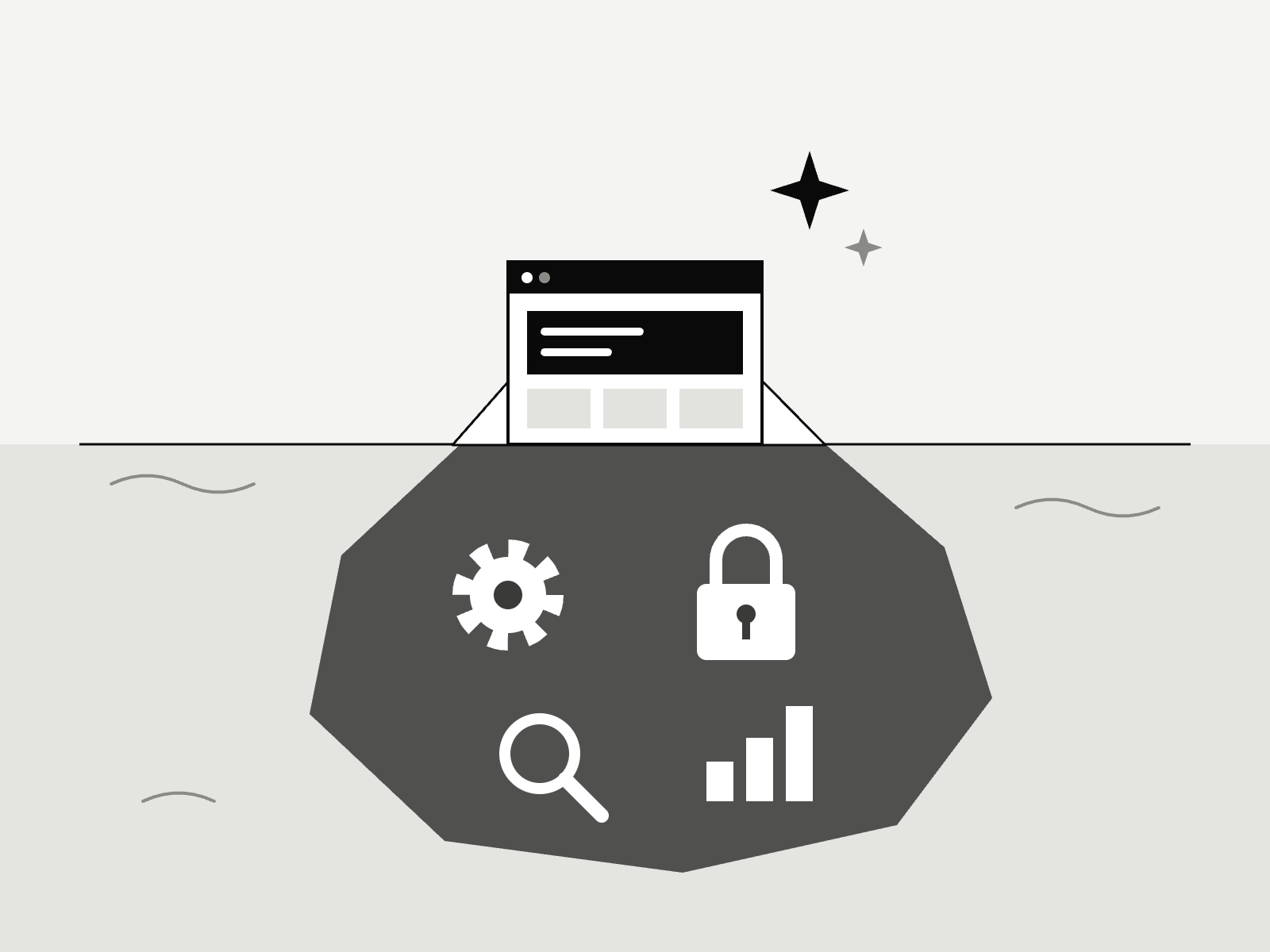
Building a website with AI a fast start, hidden costs
You can launch a site in minutes. It pays to know the costs that surface later in security, speed, SEO and maintenance.
 AI
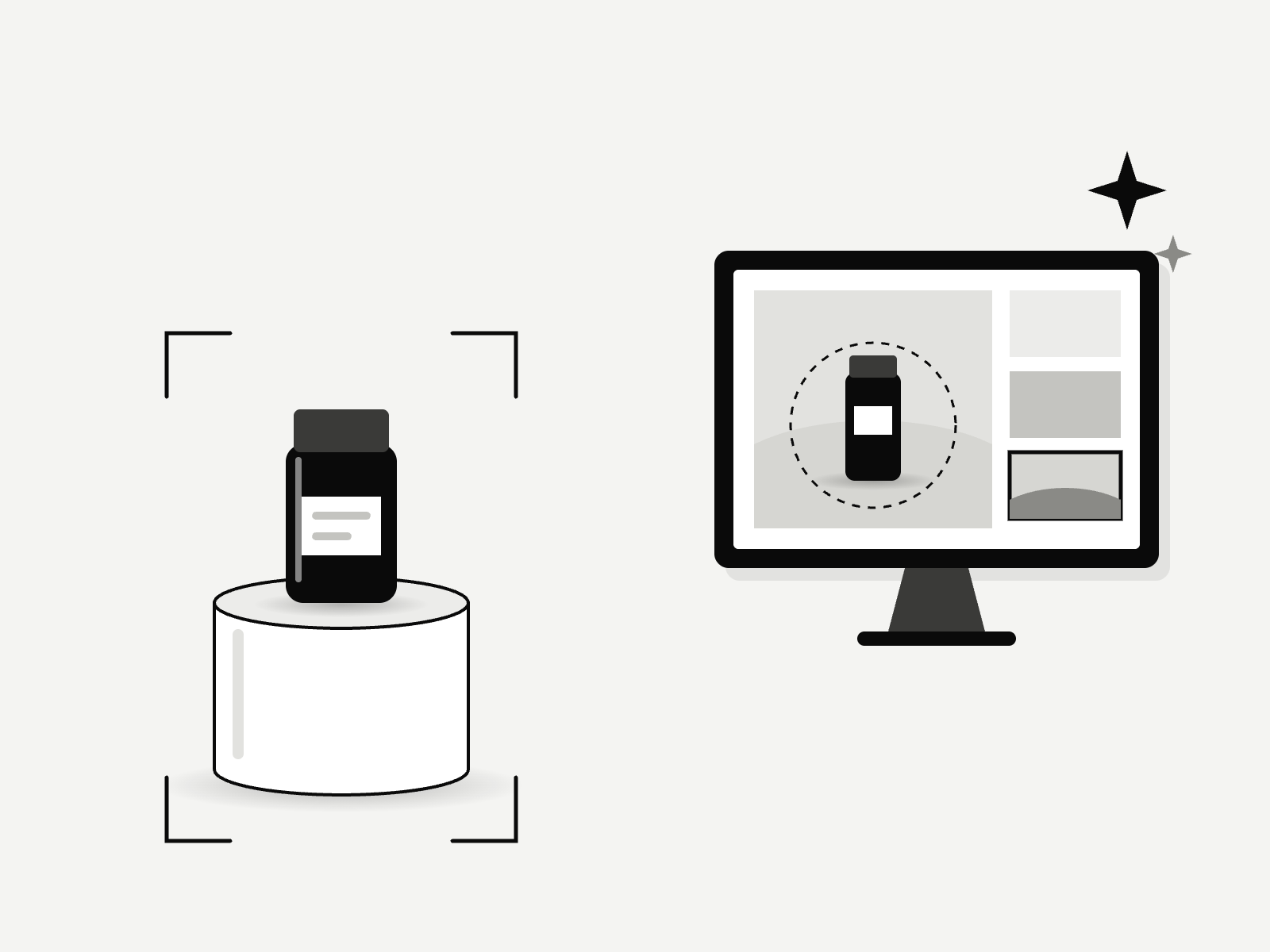
Can AI replace product photography?
A generated image does not show the real product. How to combine a real shoot with AI-assisted retouching the right way.
 AI
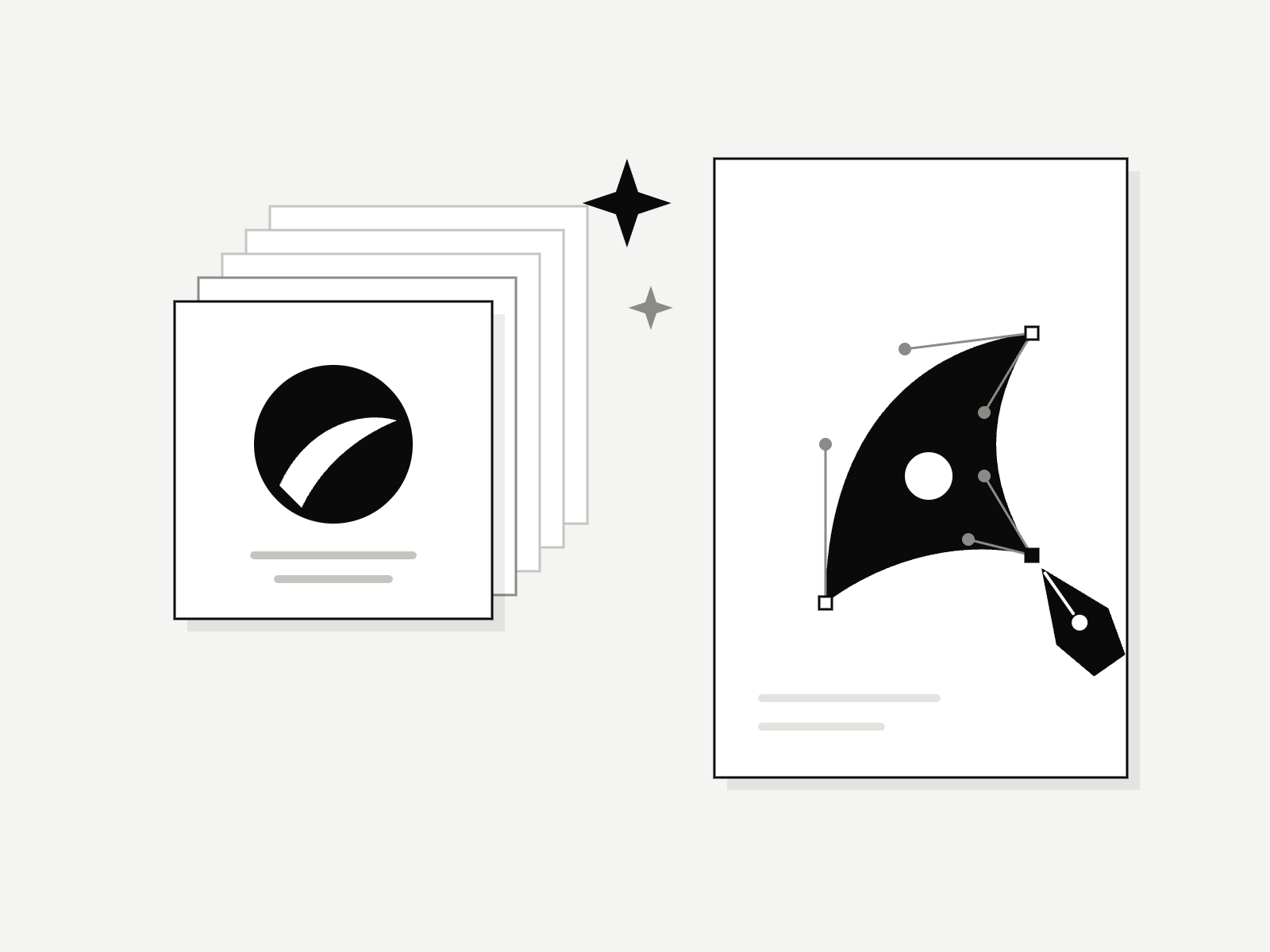
Why do AI-generated logos all look alike?
Models produce the average, while a logo has to stand apart. Why AI-generated logos converge, and how to use AI the right way.