
How to makea promotional film
The quality of a promotional film is usually settled before the shoot day. The camera simply records decisions already made.
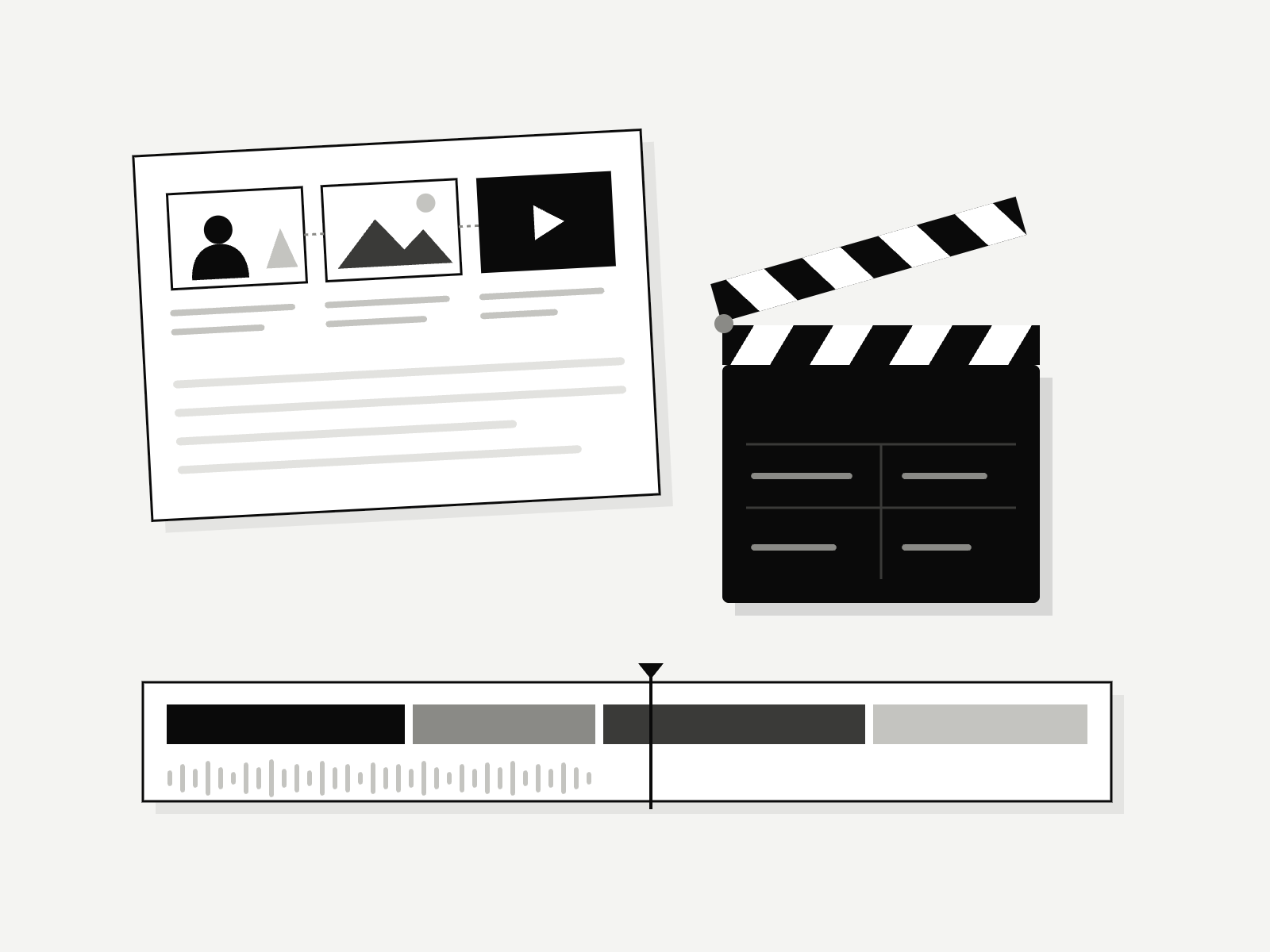
The short answer to how to make a promotional film is: work backwards. First decide what the film should leave with the viewer, then the story that creates that effect, then the images that carry the story. Even a single machine component can, when filmed with intent, speak to a company's precision in manufacturing. Below are the five stages of a promotional film, with the questions worth asking at each.
1. Goal: who is it for, and what should it say?
Everything starts with one sentence: "By the end, the viewer should think or do ..." Reassuring a potential investor, stopping someone walking past a trade show stand, launching a new product and attracting strong job candidates each call for a completely different film. The audience shapes the tone, length and language. Trying to tell everyone everything in one film is the most common, and most costly, mistake.
2. Script: building the story on paper
The script is the film's skeleton. In a corporate film it might be a story arc, a voice-over text or a set of interview questions; in a product film, a scene-by-scene plan of what is shown and in what order. A good promotional film script doesn't list every fact about the company; it selects. A few strong messages backed by concrete images are what people remember. The script stage is also the approval stage: making sure everyone imagines the same film before shooting prevents expensive changes later.
3. Shot plan: which images, where and when?
The script becomes a shot list. Which scenes are filmed in the factory, which in the office or studio? On which day will the production line be running? Who will be interviewed? Is aerial footage needed? On-location shoots are planned to disrupt daily work as little as possible. Product details are far more striking when filmed in a studio where the light is fully controlled. This is also when permissions, equipment and the preparation of cast or staff are settled.
The shoot day is when the plan gets tested. On a well-prepared shoot, everyone knows which scene is filmed when, and light, sound and framing have been thought through for each one. Still, real locations bring surprises: a machine stops, the weather turns, an interview turns out far more heartfelt than expected. An experienced crew sticks to the plan while making the most of these moments; the most authentic shots in a film often come from that flexibility.
4. Editing: where the film is really written
In the edit, footage becomes a film. Rhythm, music, voice-over, colour grading, graphics and on-screen text all come together here. Often the hardest call is leaving out beautiful shots that don't serve the story. Music licensing, the tone of the voice-over and subtitles are finalised at this stage too. Given how many videos on social media are watched with the sound off, subtitles and on-screen text aren't a detail; they're a necessity.
5. Channels: one film, several versions
The same film may play on your website, YouTube, LinkedIn, Instagram, a trade show screen and in a sales presentation, each in a different form: a landscape main film, short vertical cuts, a silent loop, a few seconds of ad snippets. If these needs are known from the start, the shoot follows them, with scenes that work in a vertical frame and separate openings for the short version. Channels are a decision for the beginning, not the end.
What does AI add to a film?
AI tools now help with everything from script drafts and subtitles to voice-over tests and short video clips, and used well they save serious time. But videos everyone makes with the same tools quickly start to look alike. Your factory, your team and your product only appear in a real shoot. The difference lies in who runs the tools: a team that knows the story uses AI for speed and builds the film itself from real footage.
In short
A promotional film comes together through a clear goal, a selective script, a realistic shot plan, careful editing and channels planned from the outset. At Serezart Creative Studio we've been producing corporate, product and venue films from Istanbul for more than 20 years. We write the script with you, shoot in your factory, your office or our studio, and finish with editing, music and voice-over. Learn more about our film and video production, or get in touch to talk about your film.
About promotional films.
How long should a promotional film be?
Does the business have to close for the shoot?
Do we need to write the script ourselves?
More articles
 AI
Building a website with AI a fast start, hidden costs
You can launch a site in minutes. It pays to know the costs that surface later in security, speed, SEO and maintenance.
 Web
The essentials of an SEO-ready website
From titles to sitemaps, from speed to structured data: the groundwork that helps search engines understand your site properly.
 Branding
How to write a good brief for your agency
Goals, audience, competitors, references, budget and timeline. A good brief gets half the job done before the first meeting ends.