
Logo vsbrand identity:the difference
People often treat them as the same thing. In fact, the logo is the brand's signature; the brand identity is the system that makes that signature appear with the same character everywhere.
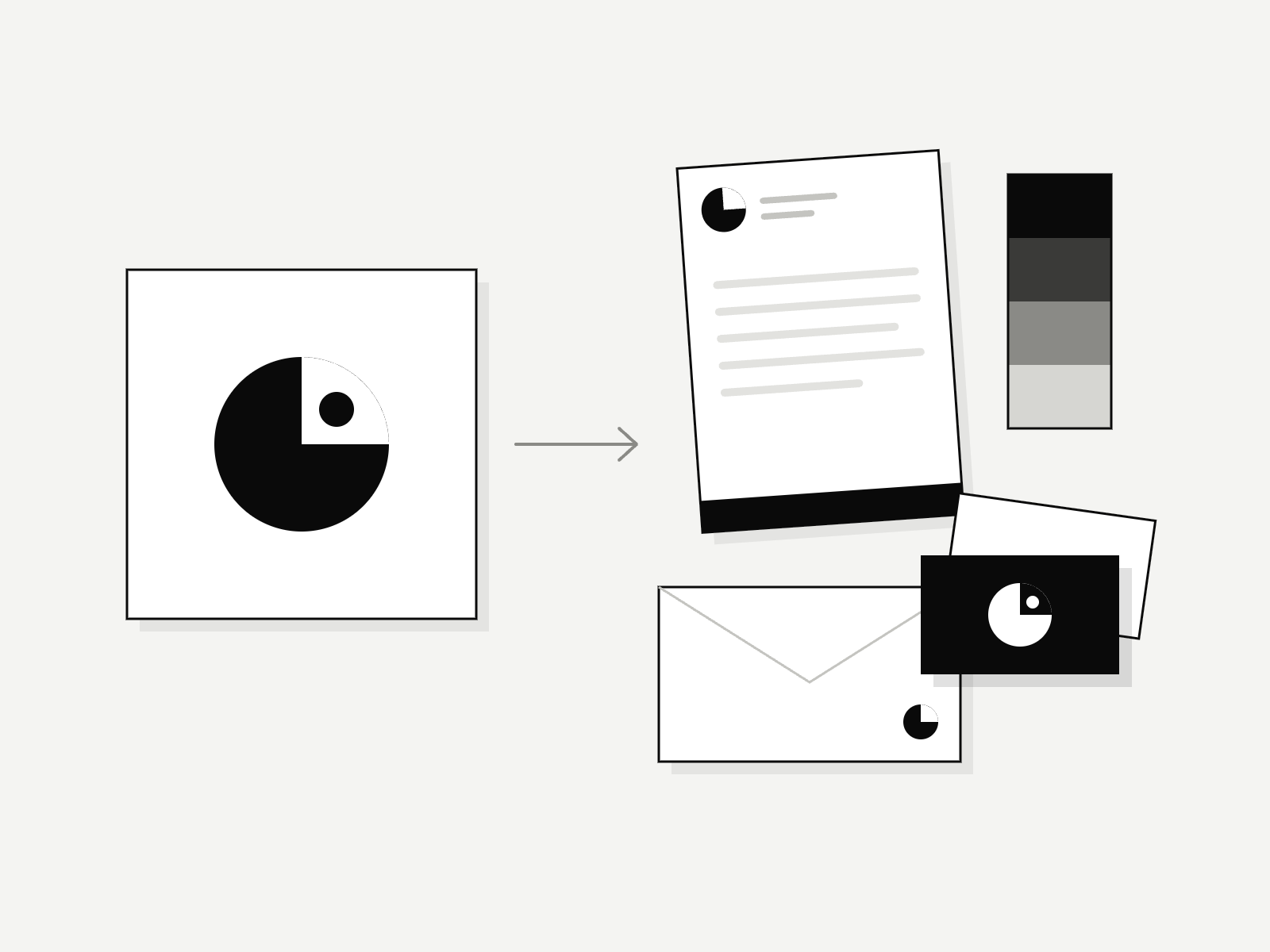
Most conversations that start with "we need a logo" turn into an identity question a few questions later: What will the business card look like? Which colour goes on the packaging? How should social media posts look? This article explains the difference between the two and why they should be designed together.
What is a logo?
A logo is the first mark people remember about a brand. It can be a wordmark, a symbol or a combination of both. A good logo captures where the brand comes from, what it believes in and where it is going in a single mark, and stays legible from a tiny icon to a huge sign.
What is a brand identity?
A brand identity is the visual system built around the logo: the set of rules that keeps the brand speaking the same language at every touchpoint. A typical identity covers:
- Logo and usage rules: which version on which background, minimum size, clear space around it.
- Colour system: primary and secondary colours, with codes for print and screen.
- Typefaces: the fonts chosen for headings and text, and how to use them.
- Stationery: business card, letterhead, envelope and digital templates.
- Business-specific applications: packaging, signage, vehicle wraps, catalogues, social media templates, website.
Think of it this way
A logo is like a person's signature; the brand identity is their clothes, tone of voice and posture. A brand with only a signature has to decide from scratch on every new job: one colour on the brochure, another on the packaging, a completely different typeface on the website. In the end, customers see a slightly different brand at every touchpoint and remember none of them clearly.
Why design them together?
When a logo is designed separately from the identity, it often needs fixing once the identity is built: it is unreadable on dark backgrounds, loses detail at small sizes, or its colours don't hold up in print. When both are planned together from the start, the logo is designed to work on every surface. When everything fits together, the brand grows stronger with every touchpoint, and customers remember you not once but at every encounter.
If you already have a logo
Building an identity doesn't mean redrawing the logo from scratch. Keeping the features people recognise, the logo can be simplified, made easier to read on screens, and completed with the missing identity rules.
In short
The logo is the brand's signature; the brand identity is the system that keeps that signature alive with the same character everywhere, from the business card to the website. At Serezart Creative Studio in Istanbul, we have been designing logos and brand identities for more than 20 years; see our logo and brand identity service for details. To complete your identity with product photography, our photography service is in the same studio.
About logos and identity.
Is a logo on its own enough?
What does a brand identity package include?
In which files is a logo delivered?
More articles
 Design
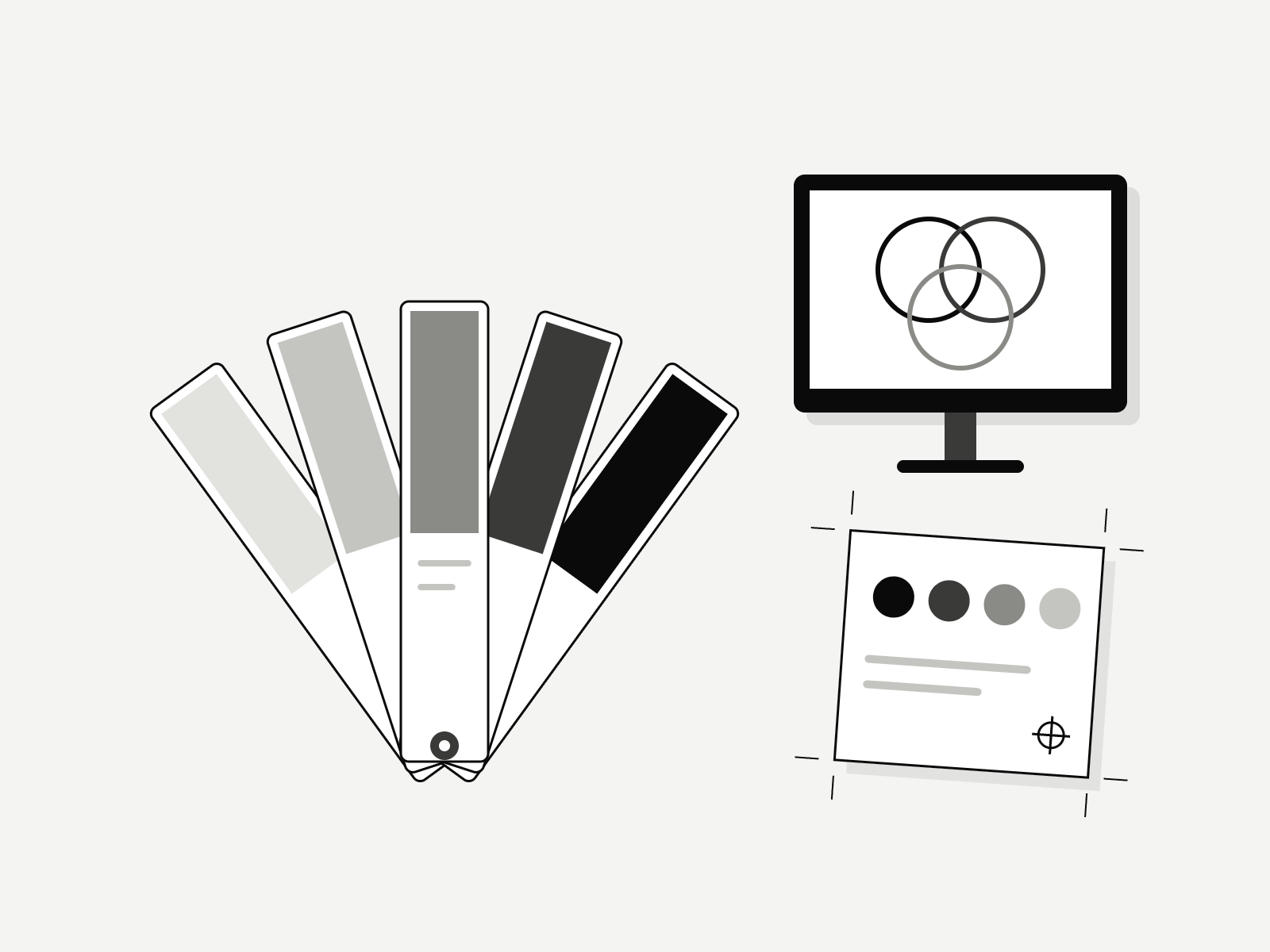
How to choose brand colours
Colour is your brand's voice. Psychology, sector, legibility and the right codes for a system that looks the same on every surface.
 Design
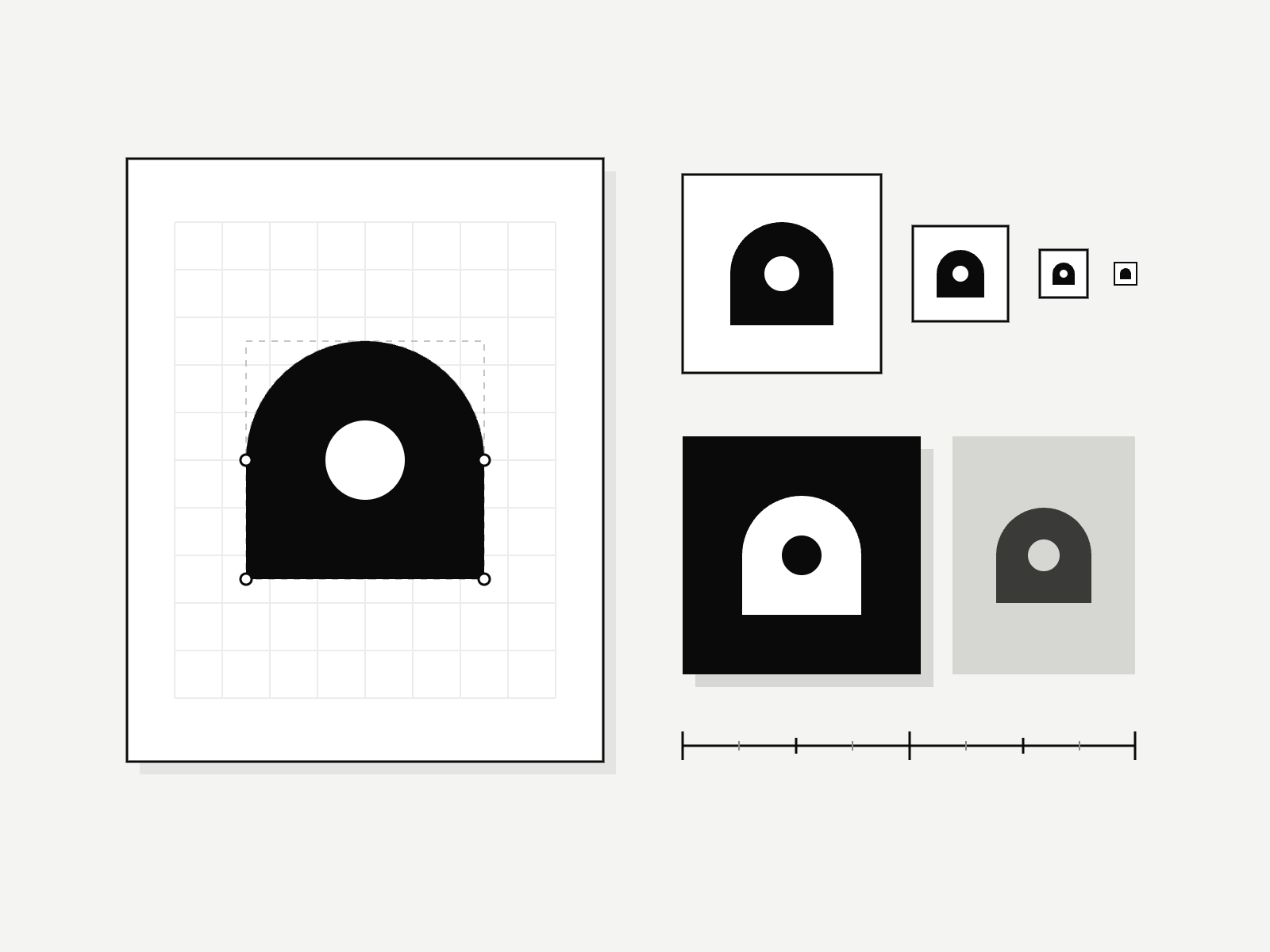
7 qualities of a good logo
Whether a logo is good isn't a matter of taste but of seven concrete criteria, and you can test your own against each one today.
 AI
Building a website with AI a fast start, hidden costs
You can launch a site in minutes. It pays to know the costs that surface later in security, speed, SEO and maintenance.